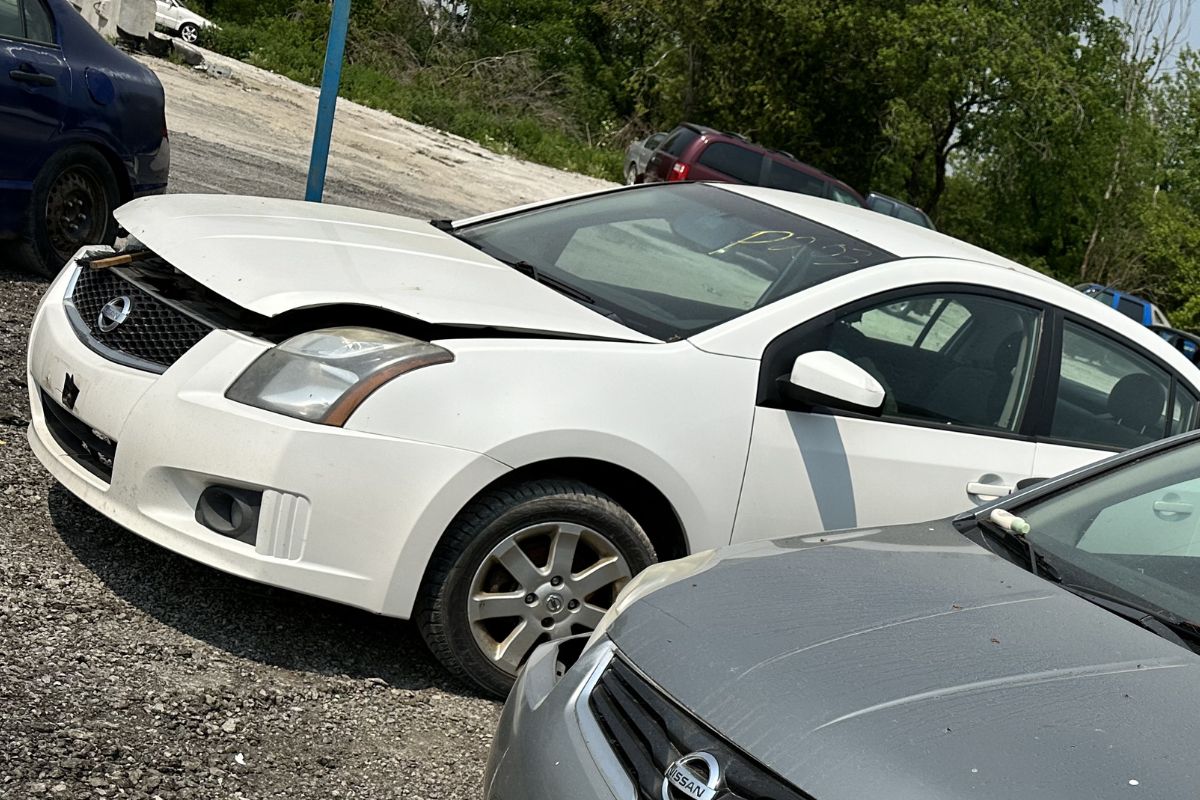
A damaged bumper or dented door might not look serious. But in today’s insurance environment, even moderate damage can lead to a vehicle being written off.
Vehicle write-offs in the Greater Toronto and Hamilton Area are rising at a pace many drivers did not expect. Cars that once would have gone through repairs are now getting classified as total losses after relatively moderate damage. This shift has created confusion among owners who assume that repair is still the normal outcome after an accident.
The reality is different today. Insurance companies now rely on strict cost models, safety compliance checks, and market valuation tools that often make repairs financially unrealistic. For drivers, this change brings practical questions about settlement value, future insurance costs, and whether moving on from the vehicle makes more sense. Understanding why write-offs are increasing helps you take control of the situation instead of reacting under pressure.
What Does an Insurance Write Off Mean in Ontario
A write-off happens when an insurer determines that repairing a damaged vehicle is not financially reasonable compared to its market value. This decision is based on calculation, not opinion. Adjusters compare the estimated repair cost with the pre-accident value of the vehicle. If the cost crosses a certain threshold, the insurer classifies the vehicle as a total loss.
There are different categories of write-offs in Ontario. Some vehicles may return to the road after inspection and certified repair. Others receive permanent salvage status and cannot be registered again. Many owners misunderstand this distinction, which creates stress during claim settlement discussions.
Knowing how insurers define a write-off helps you understand the outcome before negotiations begin.
Why Write Off Cases Are Rising in the GTHA
Insurance write-offs are increasing due to cost, technology, and risk factors. Several industry changes are pushing insurers toward total-loss decisions more often than in the past.
- Modern cars have advanced sensors, cameras, and safety systems that are expensive to repair
- Even minor collisions can damage electronic modules that require full replacement
- Labour costs in the GTHA have increased significantly in recent years
- Parts shortages and supply delays make repairs slower and more costly
- Insurance companies now follow stricter total loss thresholds to reduce long-term liability
- Rising used car values change how insurers calculate repair versus replacement costs
- Structural safety compliance requirements make some repairs financially impractical
- Climate-related damage, like flooding, has increased total loss claims in Ontario.
- Theft recovery vehicles often face hidden damage, leading to write-off decisions
How Insurance Companies Decide a Total Loss
Insurance providers follow a structured evaluation method before declaring a vehicle a total loss. Multiple financial and safety factors influence this decision.
- Pre-accident market value assessment based on real-time local sales data
- Detailed repair cost estimation from approved collision centres
- Hidden damage risk evaluation that may increase final repair expenses
- Structural safety verification against manufacturer repair standards
- Salvage recovery value calculation for damaged vehicle components
- Vehicle age, mileage, and previous claim history review
- Application of provincial total loss percentage thresholds in Ontario
- Additional claim cost analysis, including rental, towing, and storage
- Engineering or inspection reports confirming long-term roadworthiness
Also Read: What to Do with a Totaled Car? Sell It to a Scrap Yard for Quick Cash
How Much Money Do You Get After a Car Write Off in Ontario
You receive the actual cash value of your car just before the accident, based on its market price, condition, mileage, and depreciation.
The payout may be lower than your loan balance. Deductibles and taxes also affect the final amount. You can request a review if the valuation seems too low and support it with local market comparisons.
Repair vs Write Off in Canada: What Should You Consider?
Choosing between repair and accepting a write-off depends on practical conditions. Use this approach when deciding.
Choose repair if
- Damage is mostly cosmetic and does not affect the structure
- Repair costs are significantly lower than the vehicle’s market value
- The car is relatively new and holds strong resale demand
- Certified repair facilities can restore manufacturer safety standards
- Insurance approval confirms future insurability after repair
- You plan to keep the vehicle long-term
Choose write off if
- Structural or electronic damage affects long-term safety
- Repair costs approach or exceed vehicle value
- Insurance premiums may increase after major claims
- Future resale value will drop significantly
- Parts availability delays repair timelines
- You want a faster financial settlement to move forward
Evaluating these points helps remove emotion from the decision-making process.
Practical Steps After Your Car Is Written Off
Taking the right steps after a write-off helps avoid confusion and financial loss.
- Request a full valuation report from your insurance provider
- Compare settlement value with current local market listings
- Gather service records and receipts to support negotiation
- Understand whether the vehicle is classified as salvage or irreparable
- Review loan balance obligations before accepting settlement
- Explore replacement vehicle budgeting early
- Confirm insurance implications for your next vehicle
- Decide whether retaining salvage rights makes financial sense
- Contact damaged car buyers in the GTHA if resale or recycling is required
Conclusion
Insurance write-offs in the GTHA are rising due to higher repair costs, evolving vehicle technology, and stricter claim evaluation models. For many drivers, accepting a total loss decision becomes more practical than investing in uncertain repairs. Understanding settlement structures and market value trends allows owners to make clearer financial choices. When a written-off vehicle needs responsible handling, experienced recyclers can simplify the process.
With more than 20 years of industry experience, Greenway Auto Recycling supports vehicle owners through efficient evaluation, fair value recovery, and environmentally responsible recycling solutions.