Introduction
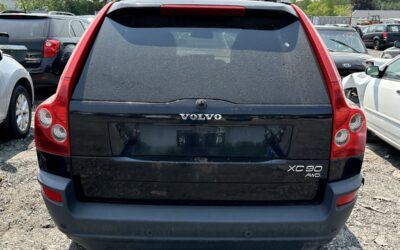
A car sitting on private property can turn into a serious issue faster than most people expect. It may look harmless at first—just a vehicle parked and not moving. But over time, it starts to raise questions. Who owns it? Why is it still there? Can you touch it? Can you tow it? Will you get fined if you ignore it?
In Ontario, this situation comes up often. Homeowners deal with cars left behind by tenants. Landlords find vehicles after evictions. Business owners see broken cars parked behind buildings. Rural properties sometimes hold cars dumped overnight. Each case feels different, but the law treats them in specific ways.
This guide explains what to do with a car sitting on private property in Ontario. It covers legal rights, steps to follow, and mistakes to avoid. You will learn when you can act on your own and when you must involve authorities. By the end, you should feel clear and confident about handling the problem the right way.
Check Who Owns the Vehicle
Before taking any action, you need to confirm ownership. In Ontario, a car does not become yours just because it sits on your land. Even if it looks old or damaged, it still belongs to someone unless proven otherwise.
If you know the owner, start there. This often happens with tenants, family members, or past buyers. A simple written notice asking them to remove the vehicle within a set time can solve the issue.
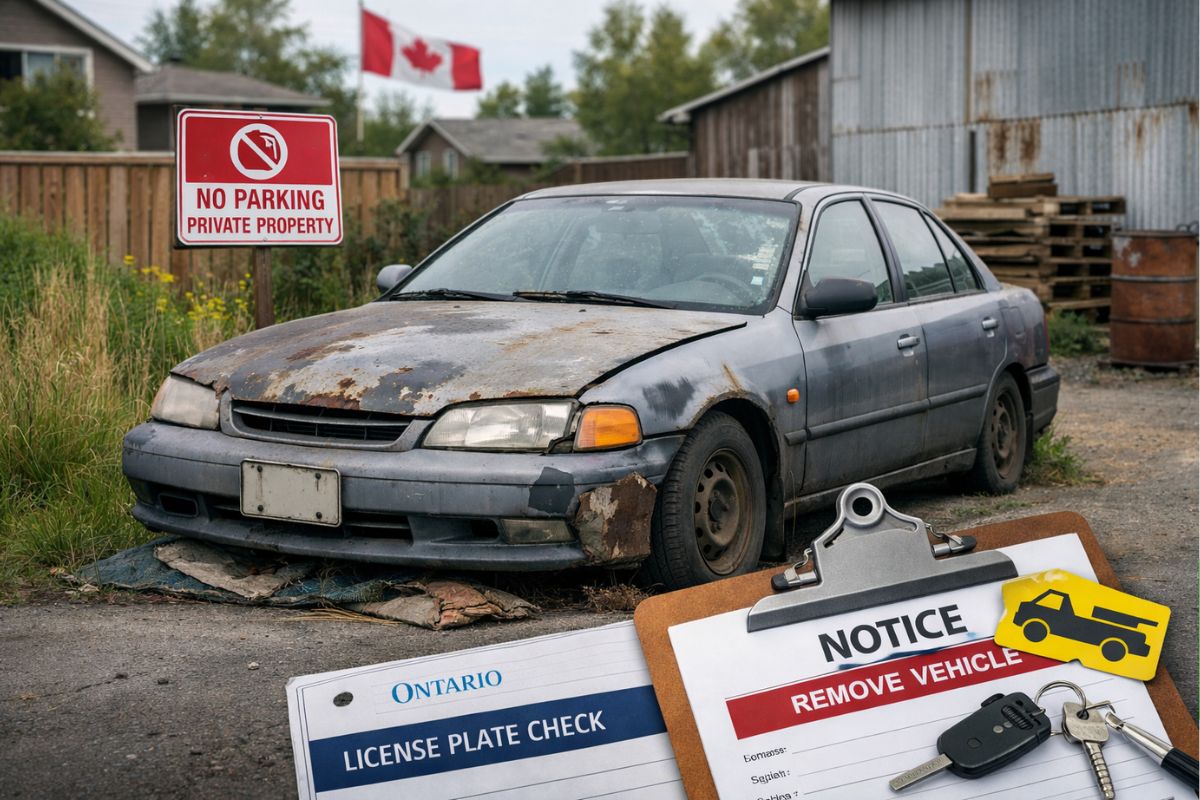
If you do not know the owner, look for clues. Check the license plate if it is still attached. Sometimes neighbours know who left it. Do not enter the car or remove parts. That can create legal trouble later.
When a Car Counts as Abandoned in Ontario
Many people assume a car is abandoned just because it has not moved. Ontario law does not work that way. Time alone does not decide abandonment.
A vehicle may count as an abandoned car on private property in Ontario only when certain conditions apply. These include clear signs that the owner has no intention to return. Missing plates, flat tires, heavy damage, and long neglect help support this. Even then, you must follow the proper steps.
If the vehicle owner disputes abandonment later, you must show you acted responsibly. That is why documentation matters. Photos, dates, and written notices help protect you. In most cases, formal notice and municipal involvement are required before a vehicle is legally treated as abandoned.
Your Rights as a Private Property Owner
Private property gives you some control, but not full freedom. You cannot sell, scrap, or damage a vehicle just because it is on your land.
You do have the right to request removal. You can also deny future access to your property once the car leaves. In some cases, you may arrange towing, but only through proper channels.
Ontario law aims to protect both property owners and vehicle owners. Acting too quickly often causes more trouble than waiting and doing it right.
When You Can Contact Local Authorities
If you cannot find the owner or the car creates a safety risk, you can contact your local municipality. Some cities have bylaws that deal with abandoned vehicles.
Municipal parking enforcement or by-law officers may inspect the site. They can tag the vehicle with a notice. This gives the owner a final chance to respond.
If the notice period passes with no action, the city may allow removal or arrange towing itself. This route works best when the car blocks access, leaks fluids, or poses danger.
Using a Tow Company the Legal Way
Many people ask about private towing. In Ontario, towing a car without consent carries risk. You should only use a licensed towing company that understands the private property vehicle removal Ontario rules.
The tow company will often require proof that you own the land. They may also ask for written authorization and photos. Some will not tow without a bylaw order.
Never use an unlicensed tow operator. This can backfire badly if the owner returns and files a complaint.
Special Situations With Tenants and Landlords
Landlord cases are common. A tenant moves out and leaves a car behind. Even after eviction, the vehicle does not become landlord property.
In these cases, the Residential Tenancies Act still applies. You must store the vehicle safely for a set period. You must also try to contact the tenant.
Only after the legal waiting period can you move toward disposal or removal. Skipping this step can lead to claims for loss or damage.
Business Properties and Commercial Lots
Businesses face a different problem. Cars left behind shops or warehouses can hurt operations. They block deliveries and reduce safety.
Most municipalities allow faster action for commercial sites, especially when the vehicle has no plates or blocks fire lanes. Still, proper reporting remains key.
Calling law enforcement first often saves time. They document the case and guide the next steps.
Environmental and Safety Risks You Should Not Ignore
A car sitting for months can leak oil, fuel, or coolant. These fluids damage soil and pavement. In Ontario, property owners can face cleanup responsibility even if they did not own the car.
Fire risk also increases with old vehicles. Rodents and trash buildup add more risk.
If you notice leaks or strong smells, act quickly. Document the issue and contact local authorities. This protects you if problems arise later.
Selling or Scrapping the Vehicle
You cannot legally sell a car you do not own. Even if it looks worthless, selling parts or metal without ownership proof can cause legal trouble.
Once the vehicle clears legal abandonment steps, some owners choose scrap car removal as a final solution. This option works only after proper approval and documentation.
Always keep records of notices, photos, and communication. These protect you long after the car leaves your land.
How Long Does the Process Usually Take
There is no single timeline. Simple cases with known owners may resolve in days. Unknown ownership cases may take weeks. Municipal involvement adds time but also legal cover. Rushing rarely helps. Plan for delays and keep the site safe while you wait.
Final Thoughts
Dealing with a car sitting on private property in Ontario feels stressful, but it does not have to spiral out of control. The key is control through the right steps. Identify ownership. Document everything. Use legal channels. Avoid shortcuts. Once the situation is cleared legally, removal becomes much easier and safer.
If you reach the final stage and need a reliable option, Greenway Auto Recycling helps Ontario property owners remove unwanted vehicles responsibly and legally. Their team understands local rules and keeps the process simple. That kind of support can turn a long headache into a clean finish.