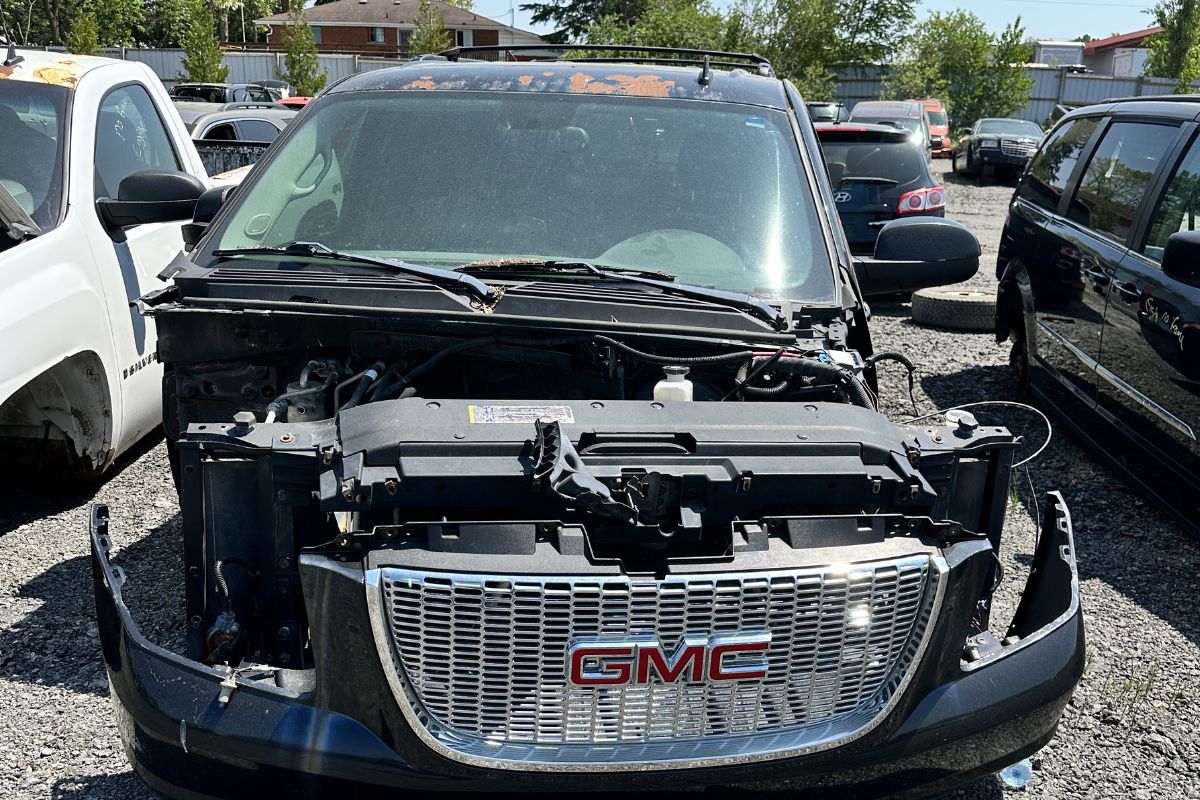
A small collision that once meant a simple repair can now lead to a total loss claim. Here is why insurers are scrapping more cars than they used to.
Pull up almost any recent insurance industry report, and one thing you will find is that the number of vehicles being declared total losses is going up. If you filed a claim recently and got told your car is a write-off, you are not alone. Insurers across North America and the UK are declaring more vehicles total losses than they were five years ago, and the reasons behind that shift are more layered than most people expect. It is not just about bad accidents. Repair costs, vehicle technology, parts shortages, and market pricing are all pushing the needle in the same direction. Here is what is actually going on.
What Totalling a Car Actually Means
Before getting into the why, it helps to understand the mechanics of this decision. When an insurer totals a vehicle, it means the cost to repair the car exceeds the total loss threshold, which varies by state or region but typically ranges from 70% to 80% of the car’s actual cash value (ACV).
So if your car is worth $12,000 and repairs come to $9,500, many insurers will write it off rather than fix it. The math makes sense from their side. What has changed is that this threshold is now being hit more often and on cars that, visually, do not even look that badly damaged.
The Main Reasons Insurance Companies Are Totalling More Cars
1. Repair Costs Have Gone Through the Roof
The average cost to repair a vehicle after a collision has risen significantly over the past four years. Moreover, skilled technicians are harder to find, and shops are paying more to keep good people on staff. That cost gets passed along.
On top of that, parts are more expensive and harder to source. The global supply chain issues that started around 2020 have not fully resolved, and the automotive parts sector is still feeling it. Some components that used to ship in days now take weeks.
That cost gets passed along. Even a low-speed bumper tap can now require recalibrating sensors, replacing camera modules, or reprogramming safety systems. A rear bumper replacement that used to cost $800 might now run $2,500 once you account for the radar sensor behind it.
2. Vehicles Have More Technology Than Ever
Modern cars are packed with ADAS (Advanced Driver Assistance Systems). Things like lane-keep assist, automatic emergency braking, blind spot monitoring, and adaptive cruise control. These are genuinely useful features. They also make even minor accidents expensive to restore properly.
These systems rely on sensors, cameras, and radar units that are often positioned in bumpers, grilles, windshields, and mirrors. A fender bender that damages a front bumper might also knock out a radar sensor that costs $700 alone, not including diagnostic time and recalibration.
Insurers know that if repairs are not done correctly, those safety systems may not function as intended. That creates liability. So they either pay for a very expensive, thorough repair, or they write the car off. Increasingly, they are writing it off.
3. Used Car Values Have Come Down
During 2021 and into 2022, used car prices shot up dramatically. A car worth $10,000 pre-pandemic might have been valued at $15,000 at its peak. That worked in the car owners’ favour because the ACV was high, making it harder to hit the total loss threshold.
Since then, used vehicle values have corrected downward in most markets. That means the denominator in the total loss equation has shrunk. A car worth $10,000 with $7,500 in repairs is a write-off. The same car at a $15,000 valuation during the price boom? Not necessarily.
This correction in used car pricing is quietly pushing more claims past the threshold without any change in how badly the car was damaged.
Also Read: What Happens to Your Car Insurance When You Scrap Your Car?
4. Labour Shortages in the Auto Body Industry
In many regions, there simply are not enough qualified auto body technicians to go around. Shops are backed up, wait times are longer, and some repairs are taking weeks.
That delay has a cost. Rental car expenses, for one. Insurers cover rental vehicles during repairs in many policies, and a three-week repair job costs significantly more in rental fees than a one-week job. When you factor in those extended rental costs, a borderline repair job might actually exceed the total loss threshold once everything is accounted for.
5. The Total Loss Threshold Works Against Older Vehicles
The total loss calculation is based on the car’s current market value, not what you paid for it or what it would cost to buy a replacement.
An older car with 120,000 kilometres on it might be valued at $6,000. A moderate front-end collision could easily generate $5,000 in repair costs with today’s prices. That is 83% of the ACV, which puts it firmly in write-off territory, even if the car drove perfectly before the accident and the owner would have been happy to keep it repaired.
Older vehicles are getting totaled at a much higher rate now for exactly this reason, and it often leaves owners in a tough spot because the payout does not come close to covering a decent replacement. For many owners, the next question is what actually happens to the vehicle after the insurer takes possession
What Happens to a Totaled Car?
Once an insurer declares a total loss, they typically take ownership of the vehicle (depending on the settlement type). The car then gets moved through the salvage process. Here is generally how it works:
- Salvage auction: The insurer sells the vehicle through a salvage auction. Dealers, rebuilders, and recyclers bid on these cars.
- Parts harvesting: Many totaled vehicles end up at auto recyclers, where usable parts are removed and sold as second-hand components.
- Scrap car removal: Vehicles that are too damaged to yield many usable parts are fully scrapped. The steel, aluminium, and other metals are sold to recyclers.
- Rebuilt title: Some totaled cars get bought by rebuilders, repaired, inspected, and re-titled as rebuilt salvage vehicles.
What This Means If Your Car Gets Totaled
If you are facing a total loss situation, a few things are worth knowing.
- You can negotiate the ACV: Insurers use market data to set the value, but that data is not always accurate. If your car had recent upgrades, low mileage for its age, or documented service history, you can push back with evidence and sometimes get a higher valuation.
- You can keep the car in some cases: Many insurers will let you retain the vehicle by having the salvage value deducted from your settlement. You will get a salvage title, which affects registration, resale, and sometimes insurance coverage going forward.
- Gap insurance matters here: If you financed the car and the ACV payout is less than what you owe on the loan, gap insurance covers the difference. Without it, you could owe money on a car you no longer have.
- Settlement timelines vary: Total loss claims are often resolved faster than repair claims, but it can still take a few weeks to finalise valuation disputes or title paperwork.
Is This Trend Likely to Reverse?
Probably not in the short term. Repair costs are not coming down. Vehicle complexity is only increasing as more electric vehicles and highly automated cars enter the fleet. Parts supply chains remain tight in certain categories. And the used vehicle market, while it may stabilise, is unlikely to return to the inflated prices that made write-offs less common.
Some industry analysts expect the total loss rate to keep climbing, particularly as EVs become more prevalent. Electric vehicles present their own unique challenges: battery damage from even a moderate collision can be extremely expensive to assess and repair, and in many cases, the safest call is to write the vehicle off entirely.
Conclusion
The rise in vehicle write-offs is not random. It is the result of several overlapping pressures: higher repair costs, more complex vehicle technology, correcting used car prices, and labour shortages that inflate claim timelines. If your car gets totalled, understanding these factors helps you navigate the settlement process with more confidence.
If you are dealing with a totalled or end-of-life vehicle and need to move it quickly, scrap car removal services can simplify the process considerably. Companies like Greenway Auto Recycling can help handle pickup, recycling, and vehicle disposal after a total loss, making the process easier for owners who no longer want to deal with the vehicle themselves.