Introduction
Scrapping a vehicle with Greenway Auto Recycling is more than simply getting rid of an old car; it’s an opportunity to sell your scrap car and recover real value from a vehicle whose useful life has ended. Many car owners assume scrap car prices are fixed, but in reality, they fluctuate with several key factors. Understanding these key elements can help you make better decisions, negotiate a fair price, and avoid surprises when selling your car.
The value of a scrap vehicle is governed by more than just age or physical condition. The final scrap car value is influenced by metal prices, mileage (if the vehicle is still drivable), overall condition, scrap demand, proximity to a metal recycling facility, and whether the vehicle is foreign or domestic. While you can’t control every factor, understanding them helps you negotiate the best possible price. At Greenway Auto Recycling, we specialize in hassle-free scrap car removal and offer top cash for scrap cars based on these factors.
1. Vehicle Condition
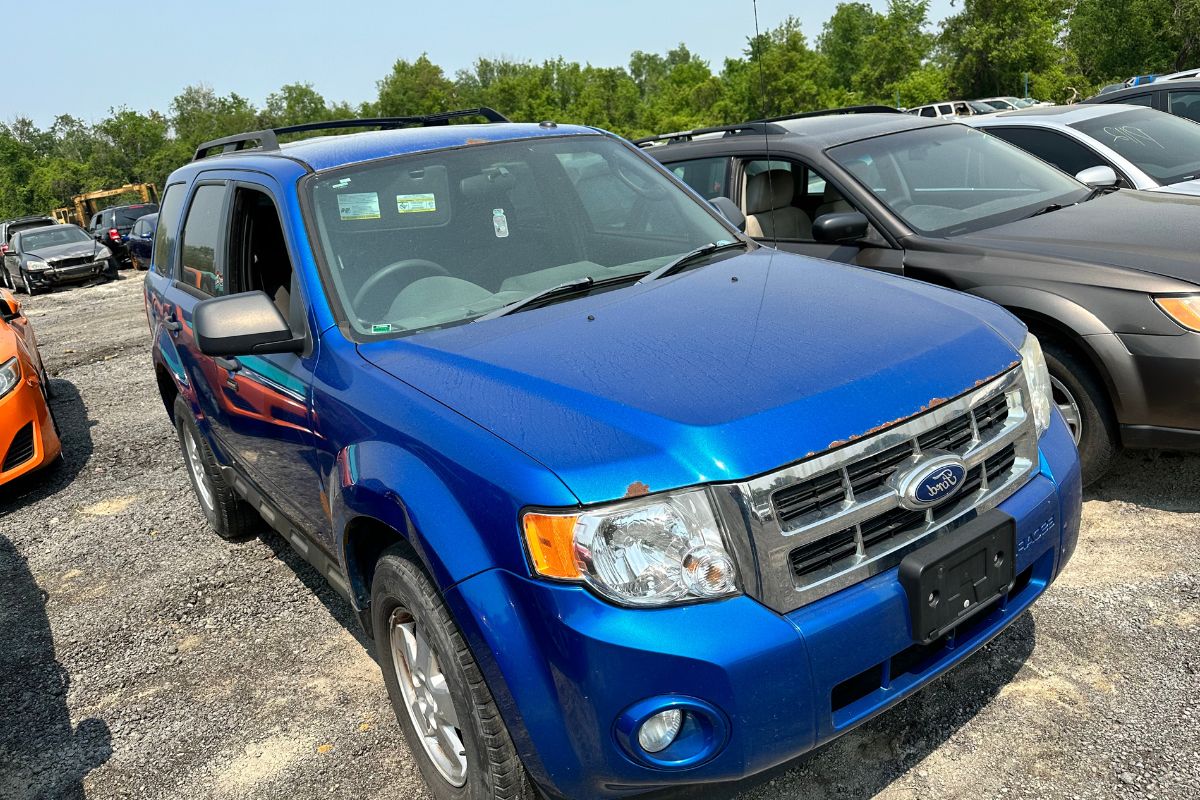
The car’s condition is one of the most critical factors that impact the scrap price. This includes both the mechanical and physical condition of the vehicle. Even cars that are badly damaged or no longer functional have value. However, a vehicle with intact parts and little evidence of corrosion will yield a better resale value.
A car with a good engine, good electronics, and good tyres will likely result in a higher resale price than a heavily rusted vehicle or a vehicle stripped of valuable parts. Even if your car is not running, it can still command a higher price than a completely rusted vehicle if it has quality metal panels. If your car still has usable parts (for example, batteries, tyres, catalytic converters), this value adds to the final price you will receive for the scrap vehicle. Even if your car is not running, as long as it has quality metal panels, it will have a price higher than a completely rusted vehicle.
2. Type and Amount of Metal
Scrap cars are primarily valued for their metal content. Different metals will have different prices in the market, and the quantity of metals in a vehicle can affect how much you are paid. Steel is the most frequently used metal in vehicles and will comprise most of the scrap value. That said, cars also have aluminium, copper, lead, and other metals that could have a higher price in the market. The overall scrap price is often higher if a vehicle contains aluminum parts such as hoods, frames, wheels, or engine components.
Copper wiring and car radiators can also drive up the scrap price for each car. Cars with heavier frames or larger bodies provide more steel for recycling, increasing their overall scrap value. Scrap dealers pay attention to the weight of the metals used in new and junk cars because metal prices fluctuate with market demand, and smaller increases in the amount of a valuable metal used will be the difference in what you receive.
3. Market Price of Scrap Metals
The price of a scrap car is directly influenced by fluctuations in metal prices. Metal prices are not steady and may vary daily based on the global supply/demand and market conditions. For example, if the markets have high steel prices, then scrap cars, which are steel-heavy, will end up being priced higher. Pricing can also shift based on the price of aluminium or copper on similar scrap cars.
Industry needs, import-export regulations, and global metal shortages influence market conditions. In addition, a scrap yard’s offers or pricing could change depending on what is happening in the metal market. A car owner should know the timing, as it may be impacted when they sell a car. If a car owner sells a vehicle when metal prices have peaked, the scrap car value is typically higher. Selling a vehicle when there are lower prices can impact the car owner negatively.
Also Read: How Scrap Car Companies Recycle Your Vehicle from Start to Finish
4. Location of the Vehicle
The location of your car can also impact scrap prices. Scrap yards in urban areas or areas with increased demand for ferrous metals may provide better prices than rural ones. Transportation costs contribute to the final price, as dealers factor in the effort required to pick up or transport the vehicle.
Free pickup adds convenience but can slightly reduce the final offer. Vehicles located in remote areas may receive lower offers due to higher transportation costs. Local laws regarding disposing of and recycling vehicles can also affect pricing. Knowing how location affects scrap value can help you plan your sale and negotiate a better price.
5. Age and Model of the Car
The year and brand of a vehicle can determine its scrap value. Older cars are typically more worn out, meaning their price will be lower. However, some rare or classic cars may have more value because collectors will pay for parts. In the same way, some newer cars will have value due to the presence of metals and recyclable components in demand.
Several newer cars contain advanced technology, like hybrid or electric vehicles; they might have valuable parts, for example, batteries or electronic components. Scrap yards show more interest in these parts because they could be recycled or reused. A rare classic may sell for more than a newer, more common model. Condition is not the only factor; rarity and popularity will contribute to value.
How to Get the Best Price for Your Scrap Car
Understanding these factors is just the first step—partnering with Greenway Auto Recycling ensures you get competitive cash for scrap car offers and a smooth pickup process. To get the best deal possible, car owners should take note of the following:
- Research metal values: Monitor current rates for steel, aluminum, and copper.
- Check multiple scrap yards: Get estimates from various dealers to ensure your price is in line.
- Identify parts with value: Make a list of usable parts like batteries, tyres, and catalytic converters that are part of the deal.
- Get records in order: Ensure you have all your ownership records, registration, and identification ready.
- Consider the timing of the sale: When possible, sell when metal prices are high to maximize your return.
Following these steps gives car owners better leverage when negotiating with scrap dealers and helps ensure a transparent and beneficial transaction.
Conclusion
Scrap car prices are not random; they are influenced by several variables, including, the condition of the vehicle, the type and quantity of metal in your car, the current price of metals in the marketplace, your location, and the age and model of your vehicle. Each of these variables can substantially affect the scrap car’s overall value. By understanding these factors, you can make smarter decisions, avoid low offers, and recover as much value as possible from your old vehicle. By considering these driving factors and preparing your car correctly, the experience of scrapping your vehicle will be profitable, not troublesome.
Ready to sell your scrap car for the best price? Call us at (416) 783-9026 for fast, reliable scrap car removal and same-day cash for scrap car offers across the GTA