Introduction
If you are planning to scrap a car, it helps to understand some of the common terms used by scrapyards and auto recyclers. Knowing what these terms mean can make it easier to understand your car’s value, the recycling process, and the paperwork involved.
Scrap car removal can be straightforward when you work with a licensed auto recycler. Companies like Greenway Auto Recycling offer services such as free towing and cash offers for eligible vehicles. Before dealing with a scrapyard or auto recycler, it helps to understand the basic terminology used in the industry.
The glossary below explains common terms related to scrap car removal, auto recycling, salvage yards, and junk cars. By the end of this guide, you will feel confident when discussing your car’s value, the recycling process, and what to expect from a junkyard.
Key Scrap Car Terms
Understanding these terms can make the scrap car removal process easier to follow. Let’s get started:
1. Scrap Car
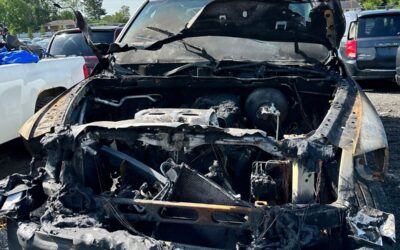
A scrap car is usually an old, damaged, or unwanted vehicle that is no longer economical to repair. It may be dismantled for reusable parts before the remaining metal is recycled.
2. Junk Car
A junk car is a general term for an old, damaged, unwanted, or non-running vehicle. Some junk cars are scrapped for metal, while others may have parts that can be reused.
3. Auto Recycler
An auto recycler is a business or facility that dismantles old or damaged vehicles. Reusable parts may be recovered, while metals and other materials are processed for recycling.
4. Salvage Yard
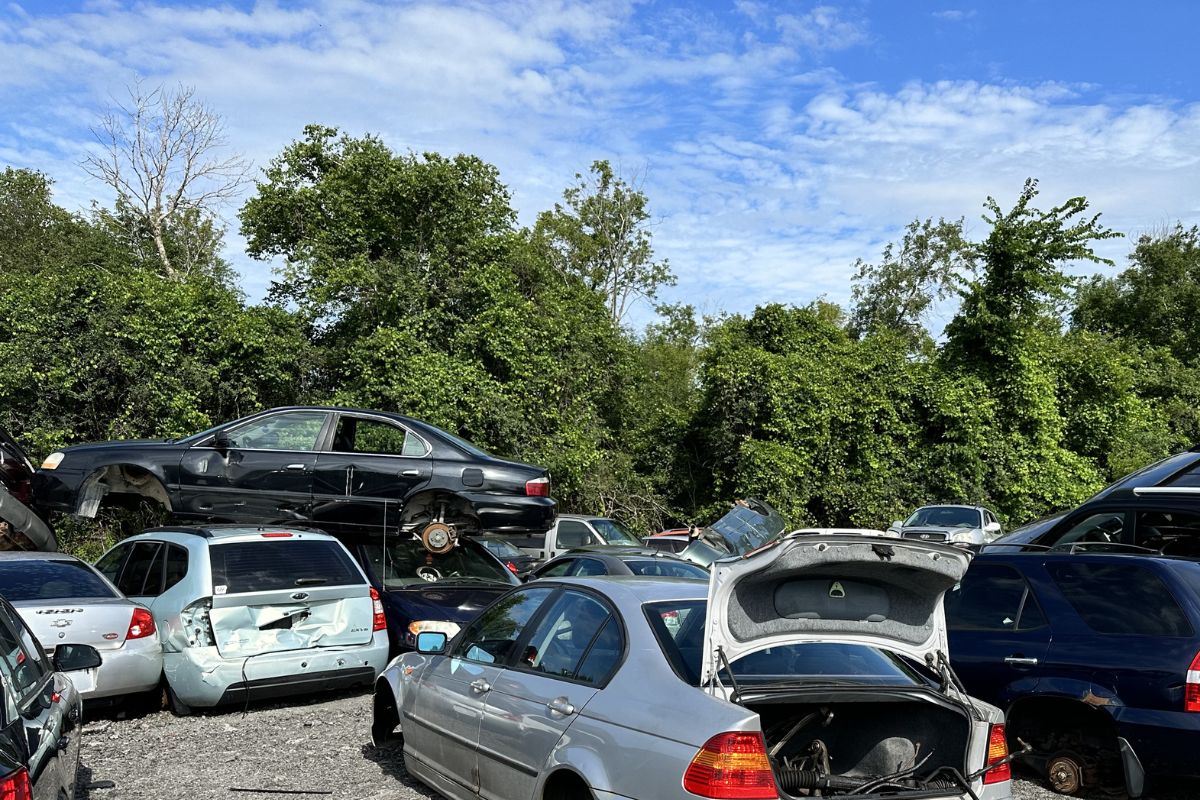
A salvage yard, often called a junkyard, is a facility where damaged, unwanted, or end-of-life vehicles may be stored and dismantled. Usable parts can be removed for resale, while the remaining materials are sent for recycling.
Also Read: Should You Fix Your Car Before Scrapping It?
5. End-of-Life Vehicle (ELV)
An End-of-Life Vehicle (ELV) is a vehicle that has reached the end of its useful life. It may no longer be economical or practical to repair, so it can be dismantled and processed for parts and recyclable materials.
6. Catalytic Converter
A catalytic converter is a valuable car part that reduces toxic emissions. It contains precious metals such as platinum, palladium, and rhodium, which contribute to its value as a recyclable component.
7. Car Title / Vehicle Ownership
In some parts of North America, “car title” refers to a document showing vehicle ownership. In Ontario, the equivalent ownership document is generally the vehicle permit, commonly referred to as the ownership.
8. VIN (Vehicle Identification Number)
A VIN is a unique 17-character identification number assigned to a vehicle. Auto recyclers can use the VIN to identify the vehicle and match it with its paperwork and vehicle history..
9. Tow Truck Service
A tow truck is used to pick up a scrap or non-running vehicle and transport it to an auto recycling or scrapyard facility. Many scrap car removal companies offer towing as part of the service.
10. Depollution
Depollution is the process of removing fluids and other hazardous materials from a vehicle before it is dismantled or recycled. This can include draining engine oil, coolant, fuel, and other fluids.
11. Ferrous and Non-Ferrous Metals
Scrap metal prices are the market prices associated with recyclable metals such as steel, aluminum, and copper. These prices can change with market demand and other factors, which can affect the value of a scrap vehicle.
12. Scrap Metal Price
The scrap metal price is the amount recyclers pay for different metals in your car. The prices can change based on the market demand for scrap metal.
13. Rebuilt Title
A rebuilt vehicle is one that was previously branded as salvage and has been repaired and passed the required inspection process for road use. In Ontario, vehicle branding uses terms such as “Salvage” and “Rebuilt” rather than simply referring to a “rebuilt title.
14. Core Charge
A core charge is an additional deposit or fee commonly associated with certain replacement parts, such as alternators, starters, and some batteries. The charge may be refunded when the old part, known as the core, is returned.
15. Hulk
At an auto recycling facility, you may hear the term “hulk” used for the stripped vehicle shell left after reusable components have been removed.
Also Read: Scrap Car Removal Laws Across Canadian Provinces: What to Expect
16. Crushing and Shredding
Crushing and shredding are important stages of vehicle recycling. After reusable parts and fluids have been removed, the remaining vehicle can be crushed or sent through a shredder to separate recyclable materials .
17. Dismantling
Items such as engines, transmissions, doors, wheels, and other reusable components may be removed before the remaining vehicle is processed for recycling.
18. Cash for Cars
“Cash for cars” is a general term used by businesses that buy unwanted, damaged, or scrap vehicles. The amount offered can depend on factors such as the vehicle’s condition, weight, reusable parts, and current scrap-metal values.
19. Parting Out
Parting out means removing and selling individual components from a vehicle instead of selling the entire vehicle for scrap. Depending on the vehicle and the condition of its parts, this can sometimes bring more money than selling the car strictly for scrap.
Conclusion
Scrapping an unwanted vehicle can be a practical way to remove an old or damaged car while allowing usable parts and recyclable materials to be recovered. You should know the general terms that you hear in the auto recycling industry. When choosing a scrap car buyer, look for a company that clearly explains the offer, towing arrangements, paperwork, and what will happen to the vehicle. Many established scrap car removal companies also handle the towing and paperwork involved in the sale.
If you are in the GTA and need to scrap a car, Greenway Auto Recycling is a trusted name in the industry. If you’re in the GTA and have an unwanted, damaged, or non-running vehicle, Greenway Auto Recycling can help you arrange scrap car removal and towing.