Introduction
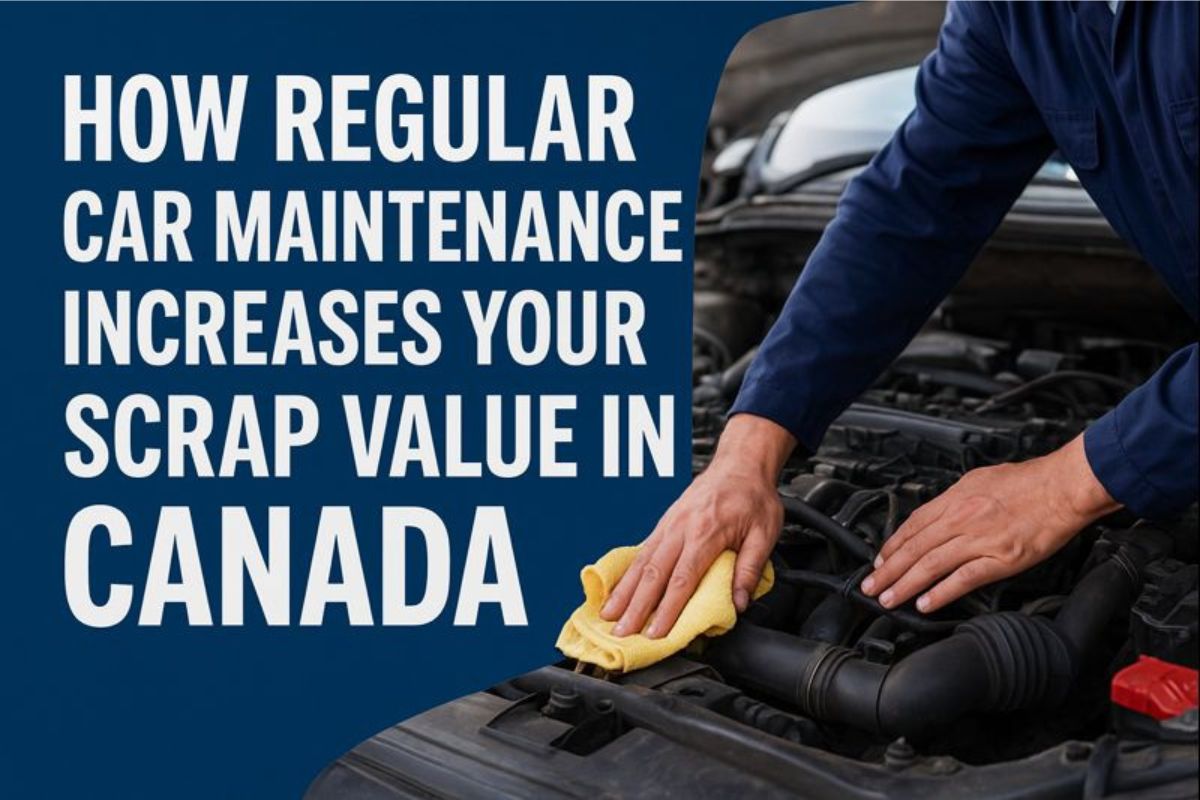
A car may feel like it is losing value every year, but smart upkeep can slow that drop and even help you earn more when it reaches the scrapyard. Many owners think maintenance only helps with daily use, yet the truth is that the right habits keep parts healthy, which raises the car’s final metal and component value.
Well-kept engine, clean body, safe fluids, and intact electronics give recyclers more material to recover. That means better scrap quotes and smoother pickup. If you understand which tasks support long-term value, you can plan your upkeep better and avoid waste. Keep reading because these small actions often turn into real money later.
Why Maintenance Affects Scrap Value?
Simple upkeep plays a bigger role in the final price because recyclers look at the quality of parts and the condition of major metals. If parts stay safe and clean, they can be removed and resold. When metal stays free of rust, it yields better weight and purity. Even small details like wiring condition or fluid leaks can affect the quote. This means consistent care gives your car a better finish when it reaches the end of its life.
Regular Oil Changes Keep the Engine Valuable
Dirty oil breaks down engine parts, which leads to heavy wear. A worn engine loses its resale potential because scrapyards and used part buyers prefer smooth-running motors. When you change oil on time, the engine stays healthier and may remain usable as a full unit. Even if the engine cannot be sold whole, the metal salvage weight stays higher because internal parts are not burnt or damaged. This helps improve scrap value since engines contain a large share of aluminum and steel.
Coolant Checks Protect the Radiator and Other Metal Parts
Coolant does more than keep the engine cool. It protects the radiator and other metal parts from corrosion. When coolant runs low or becomes old, the metal begins to rust inside, which lowers the quality of the recovered material. Rust also weakens the fittings, which makes removal harder. Regular coolant checks and seasonal top-ups keep these parts in good shape. When a recycler sees a solid radiator and clean metal, they assign more value because recovery takes less effort and yields better metal content.
Battery Care Helps Recover Lead and Reusable Components
Car batteries hold lead, which has a clear recycling value. Even a weak battery gives scrap yards good material, but a well-kept battery that did not leak acid gives them safe and clean lead plates. Charge checks, terminal cleaning, and early replacement help protect the battery box and wiring around it. When the battery stays dry and intact, it becomes easier for recyclers to handle. This small step often helps secure a higher scrap quote because clean batteries reduce risk and waste.
Also Read: What Happens to Used Car Batteries in Canada?
Regular Tire Rotation Keeps Rims and Axles Safe
Tyre work may not seem related to scrap value at first. Yet uneven wear puts pressure on the suspension and axles. Over time, this creates cracks or deep rust that lowers the quality of these metal parts. Rims also face strain when tyres run with low pressure. By rotating tyres and keeping the pressure right, you prevent metal stress. Many scrapyards pay more for clean steel or alloy rims, so simple tyre care turns into better recovery later.
Brake and Suspension Upkeep Protects High-Value Metals
Brakes and suspension parts contain steel, iron, and sometimes aluminum. These metals hold strong recycling value. When you delay brake pad changes, the discs get scraped and damaged. When shocks and struts go unchecked, they cause extra stress on the frame. Regular checks protect these parts and keep the metal in good shape. When you scrap the car later, the yard can recover more weight with less contamination, which often raises the final amount.
Rust Control Makes the Biggest Difference
Rust is the main reason cars lose scrap value. It weakens metal and lowers purity. It spreads fast, which makes parts unusable. Simple habits like washing the car often, especially after winter salt, help keep rust off. Touch-up paint for small chips also slows the spread. Cleaning the underbody keeps corrosion from eating the frame. These small steps protect the overall weight of the car, which directly affects the price. Rust control is one of the simplest ways to keep scrap value steady.
Fluid Leak Checks Preserve Wiring and Electronics
Leaking oil, coolant, brake fluid, or fuel harms wiring and electronics. These leaks spread and weaken sensors, connectors, and modules, which could have been reused. Many yard sales are working electronics because they hold good demand. Clean and dry wiring brings better value since recyclers can test and remove these parts safely. Regular leak checks save you from major issues during the car’s life and help keep these parts ready for reuse at the end.
Air Filter Changes Support Engine and Sensor Life
Air filters look small but play a direct role in engine airflow. A clogged filter makes the engine struggle. It also creates carbon buildup, which harms sensors. When these sensors stay clean and working, they become reusable parts during scrap processing. These components attract good value since modern cars depend heavily on sensors. A simple filter change protects these parts and keeps the engine free from stress.
Exhaust System Checks Protect Catalytic Converter Value
The catalytic converter is one of the most valuable parts in any scrap car. It contains precious metals that recyclers want. When the exhaust system leaks or breaks, it puts extra heat and strain on the converter, which can lower its metal value. Regular checks for exhaust noise, pipe damage, or heat issues keep the converter safe. Some cars lose a large part of their scrap value when the converter is stolen or damaged, so this part deserves extra care over the years.
Also Read: What Happens to Your Car After It’s Scrapped?
Interior Care Helps Recyclers Recover Parts
Many people ignore the inside of the car as it nears the end of its life. Yet clean seats, switches, and small components still hold resale value. Scrap yards often sell these parts to repair shops. Keeping the cabin clean makes removal easier and prevents mould or water damage, which can make parts unsafe. Even simple habits like checking for leaks or cleaning carpets help preserve these materials.
When These Tasks Improve Scrap Quotes
The tasks above facilitate quicker removal and help recyclers recover more usable material. Better metal purity, intact parts, clean wiring, and safe fluids all reflect in the final scrap quote. These habits also help you avoid last-minute repairs when the car is old and nearing the end of its life. If you plan to use scrap car removal services in the future, it pays to maintain the car with these long-term gains in mind.
Conclusion
Good maintenance does more than keep your car running—it protects the metal and parts that later add to its scrap value. When you control rust, keep fluids clean, protect the engine, and check small components, you bring your car to the end of its life in stronger condition. This helps recyclers recover more usable parts, often resulting in a better quote. For smooth pickup and a fair payment, you can reach out to Greenway Auto Recycling, as they handle quotes, pickups, and plate returns in a simple and convenient way.