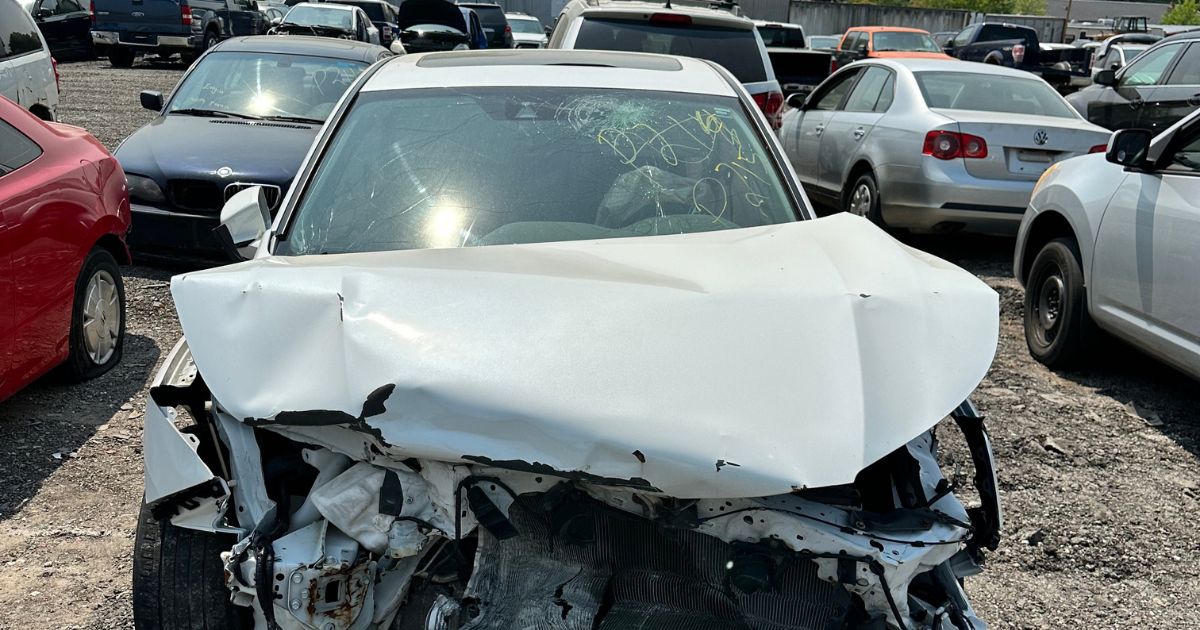
How Greenway Auto Recycling Handles Scrap Cars Responsibly
Old vehicles can pose a risk as they contain various hazardous items. This includes engine oil, coolant, fuel, brake fluid, batteries and air conditioning gas. If these items aren’t disposed of correctly there can be issues. This can be as simple as a small leak to a risk to people around due to incorrect battery disposal.
A Safe Disposal of a vehicle requires a number of processes. At Greenway Auto Recycling we ensure that all vehicles are assessed, hazardous items are removed, parts are salvaged and we recycle the correct items. We ensure that fluids are collected, air conditioning gas is recovered, batteries are removed and our yard and equipment are regularly assessed. This ensures a safer disposal.
Why is Safer Vehicle Disposal Important?
All vehicles will contain a variety of items. Some can be sold on however some can be damaging to the environment if not handled correctly.
When disposing of an old vehicle that has sat outside for several months there can be issues with the fluids. As the seals and other parts degrade, engine oil, coolant and transmission oil can leak out. This can cause issues as rain can wash these into the nearby soil and drainage. This can also happen if a vehicle isn’t disposed of correctly and is left in a damaged state.
Inside the vehicle there can be issues with the battery if it is damaged. This can cause corrosive items to leak. The air conditioning unit can also contain gas.
By ensuring a Safe Disposal of your vehicle you can prevent:
- Leaking of hazardous fluids
- Correct disposal of batteries
- Correct handling of air conditioning gas
- Salvage parts
- Correct disposal of scrap and recyclable items
- Hazardous items are handled with care
Ontario have specific guidelines for end of life vehicles. Vehicles must have specific items removed such as batteries, fluids and tyres. They also have guidelines for fluids to be removed, spillage and storing batteries.
How Greenway Auto Recycling Ensure Safer Vehicle Disposal
Knowing what is in your vehicle and how to handle it correctly will help ensure a safer disposal. At Greenway Auto Recycling we ensure that we do the following:
1. Correct Disposal & Storage of Fluids
Old vehicles can contain a variety of fluids. These should be correctly disposed of. Common items include:
- Engine Oil – Lubricates the engine. Can cause issues with soil and water if leaked.
- Transmission Fluid – Helps with smooth running of the transmission. Can cause pollution if not disposed of correctly.
- Brake Fluid – Must be handled carefully as can cause damage to surfaces and can cause issues if not disposed of correctly.
- Coolant – Contains chemicals that can be harmful to humans and animals.
- Fuel – Can cause fire risks and can cause issues with the surrounding area.
- Power Steering Fluid – Can cause pollution to soil and water if allowed to leak.
2. Air Conditioning Gas Recovered
Many people don’t think about how much gas cars have in their air conditioning units. However it is important to consider:
The air conditioning unit will contain gas. If the unit is cut open or damaged without the gas being recovered it can leak into the atmosphere.
Some gases can have a large impact on global warming. Older vehicles can also contain items that cause issues with the ozone layer.
At Greenway Auto Recycling we use specialist equipment to recover the gas from the air conditioning units. This ensures that the gas doesn’t leak during dismantling and the team can handle it safely.
It is important to recover the gas. Ontario have specific guidelines for end of life vehicles.
3. Car Batteries Removed
Car batteries can cause issues if not handled carefully. Traditional car batteries contain lead and sulphuric acid. If damaged or stored incorrectly corrosive liquid can leak. If not handled correctly this can expose workers to harmful items.
We remove the batteries from the vehicles as part of our recycling process. We will also check that any batteries left are in good condition. If they pass they can be charged and sold on.
This gives the batteries a second life and ensures they are not put into general scrap.
4. Salvage Parts
Not all parts of an old vehicle will be at the end of their life.
Sometimes the body of a car can be damaged however many mechanical/electrical parts can be in good condition. As vehicles get older it may not be financially viable to repair however some parts can have value.
A responsible auto recycling process will ensure that parts can be salvaged. Depending on the condition of the vehicle parts such as:
- Engines
- Transmission
- Alternators
- Starters
- Wheels
- Mirrors
- Doors
- Radiator
- Battery
- Working mechanical/electrical parts
We also check the tires to see if they have a second life. If they are in good condition they can be sold on to customers.
This is important as many parts can be given a second life. These can be used to repair another vehicle as they have already been tested.
5. Safety of Yard & Equipment
Vehicle recycling can involve heavy moving parts, towing equipment and handling vehicles in various conditions. If the yard isn’t well maintained or the equipment is damaged it can cause issues with safety.
We regularly inspect our yard and tow trucks and equipment daily. This ensures that any issues can be identified.
A tidy and organised recycling yard can help with managing the variety of items. Workers will keep items in their correct place reducing the chance of any leaks, damage and incorrect exposure to hazardous items.
Having good practices in the workplace is key when responsibly recycling vehicles. This keeps the environment safe and workers safe.
What Happens To My Car Once It Has Been Collected By Greenway Auto Recycling?
Many vehicle owners think that once a vehicle has been collected by a tow truck it will be sent straight to a crusher. However there are several steps involved to responsibly recycle a vehicle. Below is a breakdown of what generally happens:
Collection
The vehicle will be collected by the recycling company.
This could be an old, damaged, non-working or expensive to repair vehicle. We will organise the correct towing equipment depending on the vehicle’s condition.
Assessment
Once the vehicle arrives at our facility we will assess the condition. We will also identify any items that may need extra attention.
Hazardous Items Removed
We will remove and collect fluids, batteries and other hazardous items. We will also recover the air conditioning gas. This is one of the most important steps as it reduces the risk of leaks.
Salvage Parts
Now we have handled the hazardous items so we can salvage the correct parts. These can help other vehicle owners find cheaper replacement parts.
Sorting & Recycling
Items will be sorted and processed. Metal items such as steel & aluminium can go into metal recycling. Other items will have their own recycling/disposal process. The vehicle can then be sent to the correct metal processing facility.
What Makes A Responsible Vehicle Disposal Different?
A basic disposal may only focus on salvaging the metal within your car. A Responsible Vehicle Disposal will take into consideration the fluids, batteries, gas, salvageable items and other items before sending the shell.
| Basic Scrap Handling | Responsible Vehicle Recycling |
| Focuses mainly on recovering scrap metal. | Recovers reusable parts and recyclable materials. |
| May overlook smaller hazardous components. | Identifies and removes hazardous materials. |
| Can increase the risk of fluid leaks if handled poorly. | Collects and stores fluids properly. |
| May send usable parts for unnecessary disposal. | Separates suitable parts for reuse. |
| Focuses on the vehicle shell. | Consider the entire vehicle and its components. |
| Gives limited attention to equipment and yard safety. | Includes workplace inspections and equipment checks. |
By having the correct recycling process you are considering the materials that could cause issues if not handled correctly.
What Can Vehicle Owners Do To Prepare Their Car?
As a vehicle owner you can do a few simple things to make the collection process easier.
Remove Personal Items
Ensure that there aren’t any personal items in your glovebox, centre console, boot or door pockets. Remove any documents, electronics or personal items.
Documents Ready
Ensure you have the correct documents ready for ownership and identification. This can vary depending on your vehicle.
Inform About Vehicle Condition
If your car has a damaged battery, leaking fluids, no wheels or major damage from an accident let us know. This will help us plan the collection.
Don’t Drain Fuel, Remove Battery Or Release Air Conditioning Gas
Don’t try to drain the fuel, remove the battery or release the air conditioning gas. This can expose you to chemicals, fire risks and other hazards. You will need the correct equipment & training.
Find A Responsible Recycling Company
Before organising to have your scrap car removed find out how they handle fluids, batteries, gas and salvageable items. If they can tell you how they recycle your vehicle you will have a better idea of what will happen.
Why Choose Greenway Auto Recycling For A Responsible Vehicle Disposal?
When choosing a vehicle recycling company don’t just consider the towing service and how much you will get for your old vehicle. Consider how they handle your vehicle once it’s been collected.
Greenway Auto Recycling have been providing a service to their customers since 2002. We are a family run Canadian auto recycling company based in Scarborough (Head Office) and our main recycling yard is based in Port Perry, Ontario. We emphasise that we do the following to ensure safe handling of your vehicle:
- Vehicle fluids are collected & stored correctly.
- Air conditioning gas is recovered using specialist equipment.
- Vehicle batteries are removed.
- Batteries are tested & prepared to be sold on.
- Tires are checked.
- Yard is regularly inspected.
- Tow trucks & equipment are checked daily.
This shows that there are many processes involved when disposing of your vehicle. Each step is considered.
Conclusion
By responsibly handling your vehicle you can ensure a Safe Disposal. Removing hazardous fluids, recovering gas, recycling batteries and salvaging parts can help prevent unnecessary waste.
Whilst your unwanted vehicle may contain valuable items there are risks involved. At Greenway Auto Recycling we take our responsibility seriously by collecting vehicle fluids, recovering gas, recycling batteries and regularly checking. Choosing a company that does this will help ensure your old vehicle is handled with care.