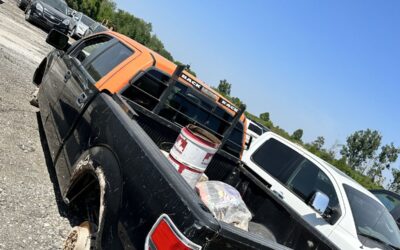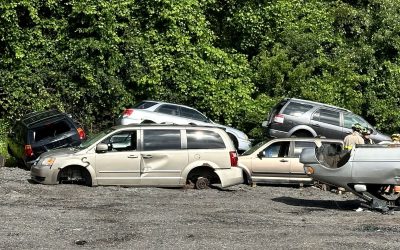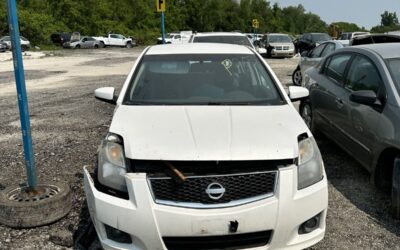
A commercial vehicle does not officially disappear the moment it leaves your property. In Ontario, the paperwork behind the scrap process can follow a business owner for months if it is handled the wrong way
Scrapping a commercial vehicle in Etobicoke is not the same as scrapping a regular passenger car. The paperwork is more complex, the liability is greater, and if you cut corners, you can end up on the hook for environmental fines, unpaid tolls, or registration issues that follow the vehicle even after it leaves your lot.
A lot of business owners and fleet managers in the GTA assume the process is straightforward. Some parts are straightforward. But other parts trip people up every single time, and most of the confusion comes from not knowing what Ontario actually requires when a commercial vehicle goes to scrap.
Whether you are retiring an old cube van, a flatbed, a dump truck, or a work pickup that has finally reached the end of its life, this guide covers what you actually need to know before you call anyone to come pick it up.
Is Your Vehicle Actually Considered “Commercial” in Ontario?
This sounds like a basic question, but it matters more than people think. Ontario classifies commercial vehicles differently from personal ones, and that classification affects what paperwork is required, who can legally scrap them, and how the transaction must be documented.
Generally speaking, a vehicle is considered commercial if it is:
- Registered under a business name or GST/HST number
- Used primarily for the transportation of goods or services for compensation
- A truck, van, or specialty vehicle with a Gross Vehicle Weight Rating (GVWR) over 4,500 kg
- Plated with commercial plates in Ontario
Step 1: Get the Paperwork in Order Before Anything Else
This is where most business owners make mistakes. They call for a pickup, the vehicle is taken away, and weeks later, they are still receiving toll charges, plate renewal notices, or worse, liability for something involving that vehicle.
If the vehicle is registered under a business, the person signing the paperwork must be an authorised representative of the business. A personal signature on a company-owned vehicle is not valid for deregistration in Ontario.
Step 2: Cancel the Plates and Notify the MTO
In Ontario, when you scrap a vehicle, you are responsible for surrendering the plates or transferring them before the vehicle is picked up. This applies even more strictly to commercial vehicles because commercial plates in Ontario are tied to the operator, not automatically to the vehicle.
Step 3: Understand Ontario’s UVMP Requirements
The Used Vehicle Management Program (UVMP) is how Ontario tracks end-of-life vehicles, including commercial vehicles. When a commercial vehicle is scrapped through a licensed facility, the facility is supposed to submit a Dismantler’s Report to the MTO. This report is what officially removes the vehicle from Ontario’s registry.
Step 4: Know What Your Commercial Vehicle Is Actually Worth
A lot of people assume scrap is scrap. They think a busted delivery van is going to get them the same per-kilogram rate as a regular sedan. That is not quite right.
Factors That Affect the Scrap Value of Your Commercial Vehicle
| Factor | Impact on Value |
| Current steel/metal market price | Direct impact — prices fluctuate weekly |
| Weight of vehicle (GVWR) | Heavier vehicles generally yield more |
| Condition of reusable parts | Good parts can add $200 to $800+ in some cases |
| Fuel type (diesel vs gas) | Diesel engines in working condition add value |
| Tires and rims | Good commercial tires can be resold |
| Accessibility for towing | Hard-to-reach vehicles may incur towing fees |
Also Read: Scrap Car Prices Across Canada: Why Your Location Matters
Step 5: Consider the Environmental Obligations
Commercial vehicles, especially older ones, carry more environmental risk than personal vehicles. Before scrapping, keep in mind that engine oil, transmission fluid, brake fluid, coolant, power steering fluid, and refrigerant from AC systems all need to be drained and handled properly.
Commercial vehicles manufactured before 1990, particularly brake pads and gaskets, may contain asbestos. A licensed dismantler will know how to handle these materials safely. You should not be attempting to remove any components from an older vehicle without knowing what you are dealing with.
Step 6: Handle the Business, Accounting, and Tax Side Properly
If the vehicle was used for business purposes and claimed as an asset or depreciated on your taxes, scrapping it has accounting implications.
What to Watch Out For When Choosing a Commercial Vehicle Recycler in Etobicoke
Not all scrap facilities operate the same way. Here are a few red flags to watch for:
- They cannot provide a UVMP Dismantler’s Receipt or proof of licensed operation
- They quote you a number over the phone without asking about the vehicle’s weight, condition, or type
- They ask you to sign paperwork that still lists you as the owner after the transfer
- They have no physical address or registered business in Ontario
- They refuse to provide anything in writing
Conclusion
Scrapping a commercial vehicle in Etobicoke takes more than just a phone call. Get your paperwork sorted, cancel your plates properly, confirm the facility is licensed, determine your vehicle’s value, and handle the tax side if your business claimed the vehicle as an asset. Do it properly, and the process is fairly straightforward. Skip steps, and it can follow you around for months.
If you are looking for a trusted, licensed commercial vehicle recycler in Etobicoke, Greenway Auto Recycling handles commercial vehicles properly from documentation through dismantling. We are UVMP-compliant, provide real quotes based on actual vehicle assessments, and ensure the vehicle comes out of your name the right way.