
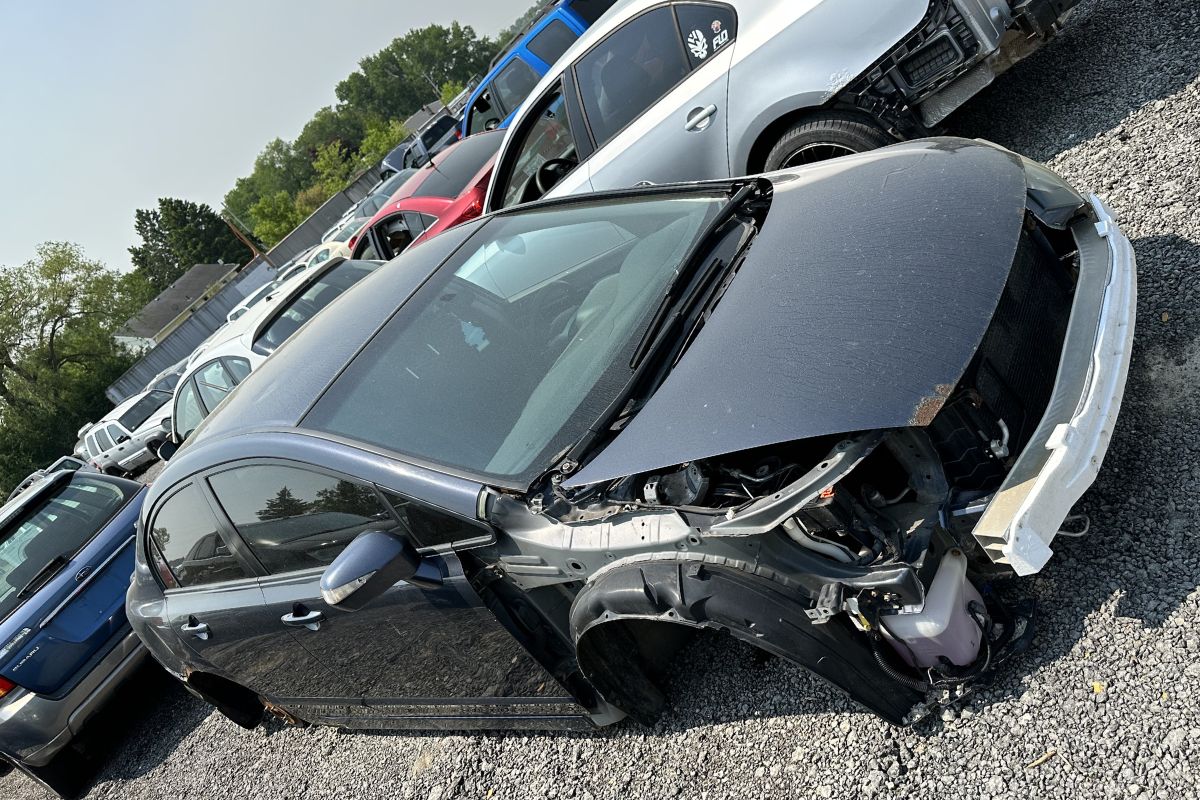
When a tenant disappears and leaves a vehicle behind, you’re stuck with more than just a lost parking space. You’re dealing with a situation where the wrong move can lead to legal trouble.
When a tenant leaves a property, they usually take their belongings. But sometimes, things get complicated. A car left behind is one of those situations that puts landlords in an uncomfortable spot. It takes up space, may attract complaints, and raises a bigger question. Can you legally sell it, or do you risk crossing a legal line?
The answer is not as simple as it looks. Ownership, liability, and local regulations all come into play. If handled poorly, it can lead to disputes or even legal trouble. If handled correctly, you can recover your space and sometimes even the value of the vehicle. Keep reading to understand exactly where you stand, what steps to follow, and how to deal with an abandoned vehicle without making costly mistakes.
Is That Car Actually Abandoned?
Before anything else, the car needs to meet the legal definition of abandoned. This part matters more than most landlords realise.
In most jurisdictions, a vehicle is considered abandoned when:
- The tenant has vacated the property (or been evicted)
- A reasonable amount of time has passed with no contact or attempt to retrieve it
- There is no response to your written notice within the required window (usually 7 to 30 days, depending on your state or province)
Step-by-Step: What to Do When a Tenant Leaves a Car Behind
Step 1: Document Everything First
The moment you notice the vehicle has been left behind, start documenting.
- Photograph the car from multiple angles, including the licence plate
- Note the date you first observed it was abandoned
- Check whether there are any parking tickets, notices, or registration stickers that hint at the car’s status
Step 2: Check Your Local Laws
Landlord rights around abandoned vehicles vary significantly by location. In the US, each state has its own abandoned vehicle law. Canada has provincial regulations. Australia follows state-level rules too. Some key things to look up in your area:
| What to Check | Why It Matters |
| Required notice period before action | Defines how long you must wait |
| How must notice be delivered | Certified mail, posting, or both |
| Whether a lien applies to the vehicle | Affects whether you can recover costs |
| Who regulates the tow or disposal | DMV, local council, or court |
Step 3: Send a Formal Written Notice to the Tenant
You need to send a written notice to the tenant at their last known address. The notice should include:
- A description of the vehicle (make, model, year, colour, plate number)
- The location where the vehicle is sitting
- A clear deadline for them to retrieve or respond (typically 10 to 30 days)
- A statement explaining what you intend to do if they don’t respond
Send this via certified mail so you have a paper trail. Some states require you to also notify the DMV or local motor vehicle authority at this stage.
Step 4: Run a Title and Registration Check
Before you can do anything legal with the car, you need to know who actually owns it. Sometimes the vehicle is registered to a third party, financed through a lender, or already has a lien on it.
Contact your local DMV with the plate number and VIN (which you can usually find on the dashboard through the windshield). This check tells you:
- Who the registered owner is
- Whether there’s an outstanding loan on the vehicle
- Whether the car has been reported stolen
If the car is financed, the lender technically has an interest in it, and you may need to notify them directly before taking any action.
Step 5: Wait Out the Notice Period
Once you’ve sent notice, you wait. This is frustrating, especially if the car is taking up usable space, but skipping this step can expose you to civil liability.
Use this time to prepare your next move based on what’s most likely to happen:
- No response: You proceed with removal or sale per local law
- Tenant contacts you: Arrange a pickup window in writing
- Third-party claims the vehicle: Treat it as a separate ownership dispute
Can You Legally Sell a Tenant’s Abandoned Car?
Here’s where it gets specific. The short answer is: sometimes yes, but not always, and rarely immediately. In many states, after the required notice period passes with no response, a landlord may apply for an abandoned vehicle title through the DMV. Once that title is issued in your name, you can sell the vehicle.
The process generally works like this:
- File an abandoned vehicle application with the DMV
- Pay any associated fees
- Provide proof of your notice attempts (certified mail receipts, etc.)
- Receive the new title in your name
- Sell or dispose of the vehicle legally
Some states allow landlords to place a landlord’s lien on personal property left behind, which can include vehicles. This lien gives you a legal claim to the property to recover unpaid rent or damages.
When You Cannot Sell It
- You haven’t completed the required notice period
- The vehicle has a lien holder who hasn’t been notified
- The car is registered to someone other than your tenant
- You haven’t obtained the proper title or legal authority from your local DMV or court
What About Towing the Vehicle Off the Property?
Towing is often a faster route than pursuing a sale, especially if the car is in poor condition or you don’t want the hassle of the title transfer process.
Most areas allow a private property owner to have an unlicensed or abandoned vehicle towed after proper notice has been given. Here’s what you need to know:
- Use a licensed tow company that is familiar with private property tows in your area
- Notify local police or bylaw enforcement before or after the tow (requirements vary)
- Keep records of the tow company, date, and destination
- The tow company typically takes on responsibility for notifying the registered owner once it’s in their yard
Also Read: Abandoning a Car in Canada: Laws, Fines & Safer Alternatives
Recovering Costs From the Abandoned Vehicle
Can you use the vehicle’s value to offset unpaid rent or damages? Possibly, but again it depends on your local laws.
In some states and provinces, a landlord’s lien allows you to sell abandoned property (including vehicles) to recover legitimate costs. You’d need to:
- Document the costs clearly (unpaid rent, damage repairs, storage fees)
- Follow the lien process as required by law
- Apply any proceeds toward those costs
- Return any surplus to the tenant (yes, legally, you may have to)
What If the Car Has No Value?
Old, damaged, or non-running vehicles are a different problem. Sometimes a tenant leaves behind something that isn’t worth selling at all. In that case, scrap car removal is usually the most practical option. Many scrap services will pick up the vehicle for free or even pay a small amount depending on the metal value, provided you have the documentation showing you’re authorised to release it.
Conclusion
Dealing with a car left behind by a tenant is annoying, but it’s manageable when you follow the right process. The law does give landlords real options here; the key is not to skip steps or assume you can act immediately. Document everything, send proper notice, check your local regulations, and either pursue an abandoned vehicle title or arrange a legal tow.
If the car has no resale value, services like Greenway Auto Recycling can help you dispose of it responsibly once you have the proper authorization in place. Handle it right, and you’ll have the matter resolved without any legal headaches on your end.