Introduction
A salvage brand changes everything about a car. Once a vehicle gets marked as salvage, it cannot return to normal road use unless it passes strict inspections. Many owners learn this too late. The repair cost grows higher than the car’s value. Insurance payouts cover part of the loss, but the damaged vehicle still sits in the driveway. It takes space. It causes stress. People keep asking what to do next.
Selling to a scrapyard becomes the most direct path. But the process is not the same as selling a clean title car. Ontario has clear rules—the paperwork changes. The value works differently. Even the pickup process follows a new path. This guide explains every step in simple words so you know what changes and how to move forward with confidence.
What Does Salvage Brand Mean in Ontario
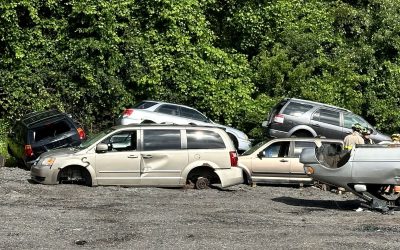
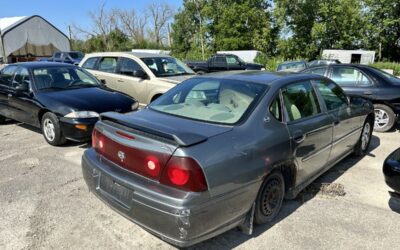
A vehicle receives a salvage brand when insurance or the Ministry of Transportation declares it not safe for the road. This happens after major damage from accidents, floods, or fires. The car cannot be driven legally. It cannot be registered for road use unless rebuilt and inspected.
In Ontario, a salvage brand stays in the vehicle record forever. Even if someone repairs the car, the history remains visible. Buyers know this. Scrapyards know this, too. That is why the selling process looks different from a regular used car.
Why Most Owners Choose a Scrapyard
Once a car carries a salvage brand, selling it privately becomes hard. Many buyers avoid these cars. Repair shops may refuse them. Insurance costs rise. Even if the car still runs, the brand lowers trust.
A scrapyard removes these worries. They buy the vehicle for parts and metal. They follow legal disposal rules. They pay based on weight and reusable components. This route saves time and avoids extra repair spending.
How Selling a Salvage Car Differs From a Normal Sale
When you sell a clean title car, you can drive it to the buyer. With salvage, the vehicle often cannot move. You must arrange towing. The buyer also checks the brand before making an offer.
The ownership transfer changes, too. The green ownership permit must show the salvage status. The scrapyard files disposal records with the province. This closes the vehicle file so it cannot return to the road again.
The price also shifts. A salvage car holds value only in parts and metal. Emotional value no longer matters here.
Legal Rules You Must Follow
Ontario requires licensed facilities to handle salvage vehicles. This protects the public and the environment. The scrapyard must hold a valid registration.
You must remove personal items and license plates. You also need a valid ID and the ownership papers. The yard records the transaction and reports it to the system. This step prevents future misuse of the vehicle identity.
Failing to follow these rules can lead to fines or legal issues. That is why choosing a licensed scrapyard in the Durham Region facility matters.
What Paperwork Do You Need
You will need the following items:
- Vehicle ownership with a salvage brand visible
- Government-issued ID
- Signed transfer section
- Plate portion removed
- Any lien clearance is listed
Some yards ask for a bill of sale. Others generate one on-site. Always keep a copy for records.
How Scrapyards Calculate Value
Scrap yards do not price salvage cars like used vehicles. They calculate scrap car value based on the weight of the metal, current market rates, and reusable parts, and set the price.
Larger vehicles often bring more money. Cars with intact engines, catalytic converters, and wheels increase value. Severe fire or flood damage lowers it.
Do not expect the same offer from every yard. Rates change weekly. A quick call comparison helps.
Can You Still Get Cash
Yes. Many yards in Durham Region offer cash for salvage cars. Payment comes at pickup or drop off. Some prefer e-transfer. Ask before confirming.
The amount may not match your hopes, but it ends the ongoing costs—no storage fees. No insurance. No repairs.
Transport and Pickup
Most salvage vehicles cannot move. Scrap yards send tow trucks. This service often comes free if you accept their price. The driver checks the paperwork and loads the car safely.
This step saves effort. It also keeps the process legal and clean.
This is where scrap car removal fits naturally into the process when mobility becomes impossible.
Also Read: How to Decode a VIN Before Scrapping Your Car in Ontario
Environmental Handling
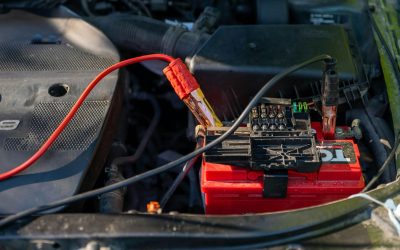
Licensed yards drain fluids, remove batteries, and separate metals. This reduces pollution. Parts that still work get reused. The rest enters the recycling chain.
This process protects soil and water. It also supports the recycling economy.
Final Thoughts
Selling a salvage car in Ontario does not need to feel confusing. Once you understand the changes, the steps feel clear. The brand limits your options, but it also points you toward a faster solution.
Choose a licensed yard. Prepare your papers. Ask about towing and payment. Then close the chapter and move on.
If you want a smooth experience with honest rates, Greenway Auto Recycling offers a simple way to turn a damaged vehicle into value while staying within Ontario rules.