Introduction
When you call to sell your old car for scrap (or fill out an online form), the buyer will ask for more than just your name and address. They will ask you exactly what kind of vehicle you are selling, and every one of those details is essential. They ask these questions to properly evaluate your car’s value and arrange a safe pickup.
Some car owners feel uncomfortable about scrap buyers requiring so much information, but once you understand what it all means, it makes for a much more seamless transaction. Providing the correct answers allows the scrapyard to offer a fair selling price for your vehicle, arrange for towing, and provide information on what to do with the license plates and title. Read on, because knowing what to expect will help you avoid confusion and last-minute stress.
What Is the Make, Model, and Year of Your Car?
The initial inquiry a scrap yard will make involves your vehicle’s make, model, and year. This information is essential because scrap cars are valued differently than drivable vehicles. For example, a 2005 Toyota Corolla may weigh less and have fewer valuable metals than a larger 2015 Ford F-150.
A scrap yard will base the value of your car on the information you give them, since heavier vehicles usually have a higher value when weighed for scrap metal recovery. Additionally, newer cars may have parts that are easier to resell than those in older cars. Providing the correct answer to the inquiry gives the yard the information needed to consider whether the vehicle is worth more as scrap metal recovery or as spare parts.
Is the Car Still Running?
A frequently asked question is whether your car runs. It may not matter, since it will be scrapped. While the car will ultimately be scrapped, whether it runs still affects how it will be towed
If your car still runs, it can be driven onto the tow truck. This will reduce time and the overall work required compared to non-running vehicles. If it does not run, the buyer may need to bring special equipment, such as a flatbed truck or a wheel dolly. Companies may lower the offer price if they think moving the vehicle will require more work. Assuming your car is non-running will eliminate surprises for you and the scrap yard on pick-up day.
Do You Have the Ownership Documents?
Proving ownership is a crucial step in the car scrapping process in Ontario. Scrap yards and auto recyclers are required to follow the rules of the Ministry of Transportation. They must be sure that you are the legal owner of the vehicle before they can legally accept it.
When they request to see ownership of the car, they are not trying to be difficult, but it is simply part of the process to ensure the transaction is legal for both parties. If you cannot find ownership, you must request a replacement from ServiceOntario before the process can continue. You should have these documents ready to speed up your payment for the car, too, as scrap yards cannot complete the transaction without them.
Also Read: How to Transfer Car Ownership in Ontario: Step-by-Step Guide
Has the Car Been in an Accident or Damaged?
Individuals who purchase scrap vehicles will typically inquire about the vehicle’s overall condition and whether it has been involved in any accidents in the past. The reasoning behind this is straightforward. If the car was severely damaged in the past, there may be fewer reusable parts on the vehicle, lowering resale viability.
At the same time, the vehicle may still be worth its weight in scrap due to the overall weight of the car being relatively unchanged. Knowing the history allows the scrap facility to decide whether to emphasize recycling or salvaging. For instance, a vehicle may have body damage but still contain intact glass or mechanical components that can be removed and resold. This benefits you and the scrap yard, as reusable parts can increase the offer price.
Are the Tires, Battery, or Catalytic Converter Still in Place?
Some parts of a vehicle have more value compared to others. This is why scrap buyers will ask about the battery, tires, and catalytic converter. Car owners often remove these parts before scrapping their car because they can be sold separately.
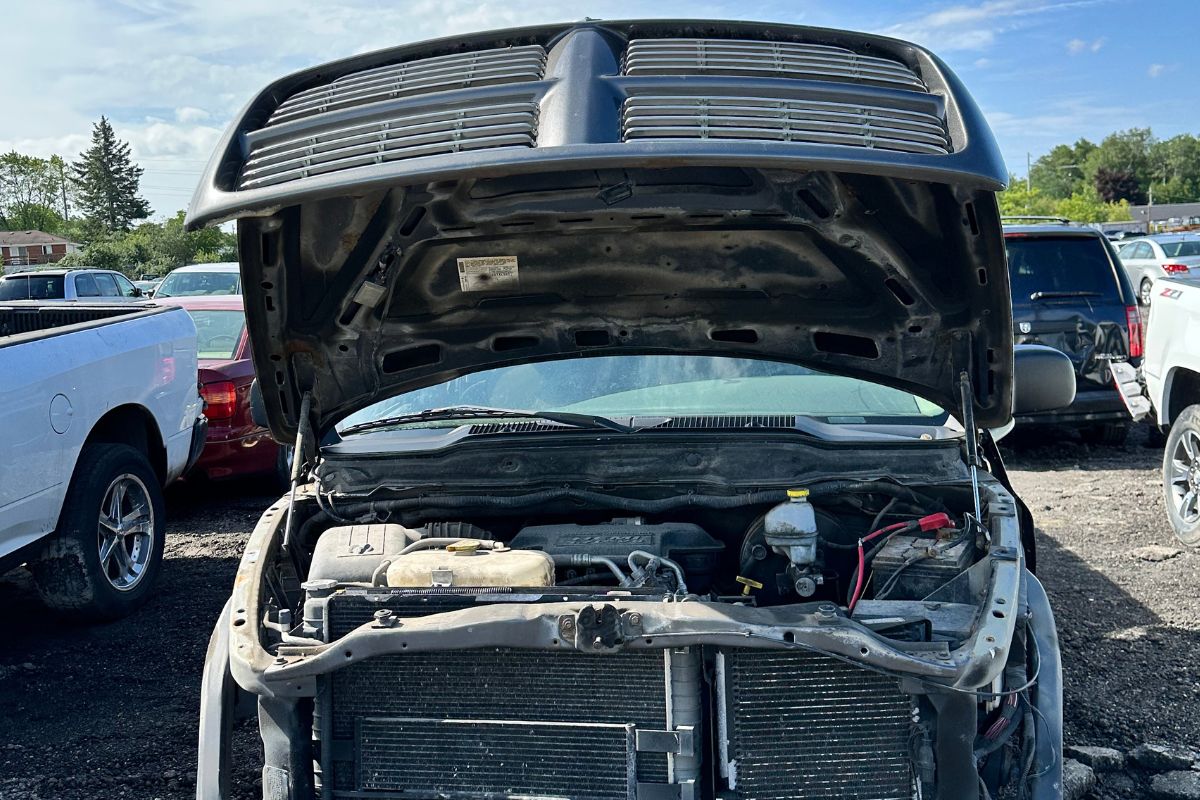
The catalytic converter has precious metals like palladium, platinum, and rhodium, and could be one of the most valuable parts of an old car. Scrap yards will want to know whether or not it is still attached to the car because that will affect their final quote. Working batteries can also be reused or recycled, and tires may have resale or recycling value. To get an accurate quote, it’s important to be honest about whether these parts are still in place.
Where Is the Vehicle Located?
The practical issue of location is always a consideration. A buyer will want to know where the vehicle is located so they can arrange towing. If the car is parked in a tight area, such as an underground garage or someone’s backyard, with no road access, the scrap yard will prepare to handle it with the proper equipment.
The distance from the yard to your location is also essential. Some companies will offer to do the towing as part of the offer, while others will modify the offer depending on how far they need to travel. Providing precise details about where the car is parked will help the team avoid wasting time locating the vehicle, and the pickup will go smoothly.
Do You Still Have the License Plates?
Scrap buyers frequently inquire about the status of plates. It is important to note that in Ontario, plates remain with the owner, not the vehicle, so you must detach them before vehicle collection. Leaving plates attached could jeopardize your interests due to future legal or financial complications, since they can be used on another vehicle.
The scrap yard simply reminds you of this critical task by asking you this question. Many reputable companies will even provide plate return assistance and show you how to return them to ServiceOntario to remove the chance of ongoing charges and penalties.
Are You Looking for Immediate Removal or Flexible Scheduling?
Lastly, timing is an essential detail. Scrap yards frequently ask whether you’ll need same-day removal or if you’re flexible on the picking schedule. This helps them determine how to route their trips and manage their resources.
If you’re in a hurry, please inform them so that they can prioritize your pickup. If you have some time, you may have more flexibility to choose a pickup time that works best for you. In either case, they only ask this question to provide you with better service and avoid time conflicts.
Conclusion
When a scrap yard asks you questions about your vehicle, it isn’t to make everything complicated. Every question has a purpose, whether it’s to determine the car’s value, ensure safe towing, or complete the transaction legally. If you answer their questions clearly and succinctly, you can be assured that you will get a fair price and an easy, smooth, and stress-free experience.
If you are in Ontario and ready to scrap your vehicle, let Greenway Auto Recycling take the complexity out of the process. They handle everything from providing a top-dollar offer to free towing and guidance on license plate removal. They surely ask the right questions upfront, so there are no delays. Call Greenway Auto Recycling at (416) 783-9026 for a free quote and hassle-free scrap car removal anywhere in Ontario.